Osteoarthritis, often referred to as degenerative joint disease, is one of the most common causes of chronic joint pain and stiffness. It can affect anyone, from active adults to seniors, and it tends to progress gradually over time. Without proper management, osteoarthritis can limit your ability to move freely and participate in the activities you enjoy.
At Back in Motion, our osteoarthritis treatment in Brooklyn NY focuses on identifying the underlying causes of your joint pain and creating a customized plan that promotes recovery, strengthens supporting muscles, and prevents further damage. Through a combination of evidence-based therapies and compassionate care, our team helps you regain mobility and comfort so you can live life without constant pain.

Osteoarthritis is the most common form of arthritis, affecting millions of people around the world. According to the Mayo Clinic (2024), it occurs when the protective cartilage that cushions the ends of your bones gradually wears down, leading to pain, swelling, and reduced flexibility. Although osteoarthritis can affect any joint, it most often occurs in the knees, hips, hands, and spine.
Cartilage acts like a shock absorber, allowing smooth movement between bones. As it breaks down, bones can start rubbing against each other, causing discomfort and inflammation. The Cleveland Clinic (2024) notes that over time, bone spurs may develop and joints can become increasingly stiff, painful, and enlarged.
While aging is the most common risk factor, osteoarthritis isn’t just a “wear and tear” disease. Other contributors include previous injuries, obesity, repetitive strain, genetics, and even metabolic changes. In Brooklyn NY, lifestyle factors such as long commutes, frequent stair climbing, and busy daily routines can place additional stress on weight-bearing joints, increasing the risk of developing osteoarthritis.
Though there is no cure, early intervention and consistent management can slow its progression and greatly improve function and comfort.
The symptoms of osteoarthritis often develop gradually, becoming more noticeable as the joint cartilage deteriorates. Common signs include:
Joint pain that worsens with movement or activity but eases with rest
Stiffness, especially after waking up or sitting for long periods
Swelling and tenderness around the affected joint
Loss of flexibility or difficulty moving the joint through its full range of motion
Crackling or grating sounds (crepitus) when the joint moves
Bone spurs that form around the affected joint
In severe cases, joints may feel unstable or “lock up” during movement. While symptoms vary, the Mayo Clinic (2024) emphasizes that prompt evaluation and targeted therapy can reduce pain and prevent long-term disability.
Living in Brooklyn means staying on the move, walking to the subway, navigating crowded sidewalks, and standing for long periods. For those with osteoarthritis, these everyday tasks can become increasingly difficult. The constant strain from city living, combined with colder seasons that often worsen joint stiffness, can make symptoms harder to manage.
At work, osteoarthritis can limit your ability to sit or stand comfortably for extended hours. Manual laborers may struggle with lifting or kneeling, while office workers experience stiffness from prolonged sitting. Parents and caregivers often find it challenging to keep up with physical demands like lifting children, grocery bags, or household chores.
The emotional toll is equally significant. Chronic pain and reduced mobility can lead to frustration, isolation, and even anxiety or depression. The Cleveland Clinic (2024) highlights that living with osteoarthritis impacts not only physical function but overall quality of life.
At Back in Motion, our osteoarthritis treatment in Brooklyn NY is designed to address both the physical and emotional aspects of the condition. We focus on restoring strength, improving mobility, and helping you regain confidence in your movement—so you can stay active and connected in your daily life.
At Back in Motion, we believe that effective osteoarthritis treatment begins with a personalized plan rooted in clinical research. Our multidisciplinary team uses proven, non-invasive techniques to relieve pain, improve flexibility, and restore function.
Chiropractic adjustments help improve joint alignment and reduce stress on affected areas. By optimizing the body’s biomechanics, chiropractic care can alleviate discomfort and enhance range of motion. According to the American College of Rheumatology (2012), manual therapy combined with exercise supports long-term improvement in function and pain relief for people with osteoarthritis.
Physical therapy is one of the most effective treatments for osteoarthritis. Our licensed therapists develop exercise programs that build muscle strength, improve flexibility, and correct posture. Research shows that exercise and education are foundational in osteoarthritis management (PubMed, 2023). Targeted stretching and low-impact activities such as resistance training and aquatic therapy can ease stiffness while preventing further joint damage.
Occupational therapy focuses on helping you manage your daily tasks without aggravating pain. Our therapists teach joint protection strategies, activity modification, and ergonomics. Simple adjustments, such as learning how to lift or bend safely, can prevent unnecessary joint strain.
While not common for most osteoarthritis cases, speech pathology can help if OA affects the neck or jaw joints. Speech therapists address muscle coordination in these areas to improve swallowing or speech when pain or stiffness is present.
For patients with spinal osteoarthritis, decompression therapy gently stretches the spine to relieve pressure on nerves and improve disc spacing. This technique enhances circulation and reduces inflammation, making it easier to move without pain.
Shockwave therapy stimulates healing in damaged tissue using acoustic sound waves. It helps reduce chronic pain and stiffness, especially in large joints like the knees or hips.
Our sports rehabilitation program supports athletes and active individuals living with osteoarthritis. Through progressive strengthening, flexibility training, and movement correction, we help patients maintain peak performance safely.
Cupping therapy increases blood flow and releases tight fascia around affected joints. This can reduce stiffness, improve flexibility, and enhance overall mobility.
Soft joint mobilization techniques can maintain motion and decrease stiffness without forceful adjustments. This method supports cartilage health and encourages smooth joint movement.
Dynamic air compression improves circulation, reduces swelling, and accelerates recovery after physical therapy sessions or activity.
Osteoarthritis can worsen after injuries or repetitive strain at work. We offer specialized programs for patients recovering under car accident or workers compensation cases, ensuring proper documentation and treatment continuity.
While Back in Motion focuses on non-surgical, drug-free care, we recognize that medications may have a role in pain management. The Mayo Clinic (2024) recommends using topical NSAIDs or acetaminophen for mild to moderate pain. In more advanced cases, injections or other therapies may be used under medical supervision.
Our comprehensive approach aligns with leading clinical guidelines from OARSI (2019), EULAR (2013), and Mayo Clinic (2024), emphasizing physical activity, education, and weight management as first-line strategies for lasting relief.
At Back in Motion, our osteoarthritis treatment in Brooklyn NY is built on three key principles: personalization, collaboration, and evidence-based care.
Personalized Assessments – Every treatment begins with a detailed evaluation of your joint health, movement patterns, and daily activities.
Collaborative Care – Our chiropractors, physical therapists, occupational therapists, and speech pathologists work together to address the physical, functional, and lifestyle aspects of your condition.
In-Home and In-Clinic Options – We bring quality care directly to your home or provide therapy in our comfortable clinic setting.
Functional Progression – Treatment plans evolve as you improve, ensuring consistent progress and long-term stability.
Patient Education and Prevention – We empower you with strategies to manage pain, maintain mobility, and prevent flare-ups through proper posture, diet, and activity.
Our mission is not only to ease your pain but to help you live stronger, move better, and enjoy more independence in your daily life.
Residents throughout Brooklyn, Queens, Staten Island, Hoboken, and Jersey City choose Back in Motion for osteoarthritis care because:
We offer comprehensive multidisciplinary treatment in one place.
Our therapists provide in-home sessions for convenience and comfort.
Each plan is customized and research-based, using proven techniques.
Our clinicians are highly experienced and licensed in advanced therapy methods.
We are locally based at 2625 E 14th St #209, Brooklyn NY, serving surrounding boroughs with compassion and expertise.
Whether you’re looking for hands-on therapy, lifestyle guidance, or support managing chronic pain, Back in Motion provides care you can trust.
There is currently no cure for osteoarthritis, but treatments can significantly reduce pain and improve mobility. With consistent therapy, you can slow progression and maintain an active lifestyle.
Most patients notice progress within a few weeks of consistent therapy. The timeline varies depending on severity, activity level, and adherence to prescribed exercises.
Yes. When performed by a licensed professional, chiropractic and manual therapy techniques are safe and can complement other treatments by improving alignment and reducing joint stress.
Not always. A thorough clinical assessment is usually enough to begin care. Imaging such as X-rays or MRIs may be recommended if necessary.
Yes. We handle insurance and workers compensation documentation for qualified cases, ensuring a seamless process from start to finish.
We serve clients throughout Brooklyn and nearby locations including Queens, Staten Island, Hoboken, and Jersey City. Both in-home and in-clinic sessions are available based on your preference.
Osteoarthritis may be a lifelong condition, but it does not have to control your life. With Back in Motion’s osteoarthritis treatment in Brooklyn NY, you can take proactive steps to reduce pain, improve movement, and reclaim your independence.
Our team of experienced professionals is ready to help you move freely again with personalized, evidence-based therapies designed to restore comfort and function.
Contact us today to schedule your consultation in Brooklyn NY and begin your journey to a more active, pain-free life.
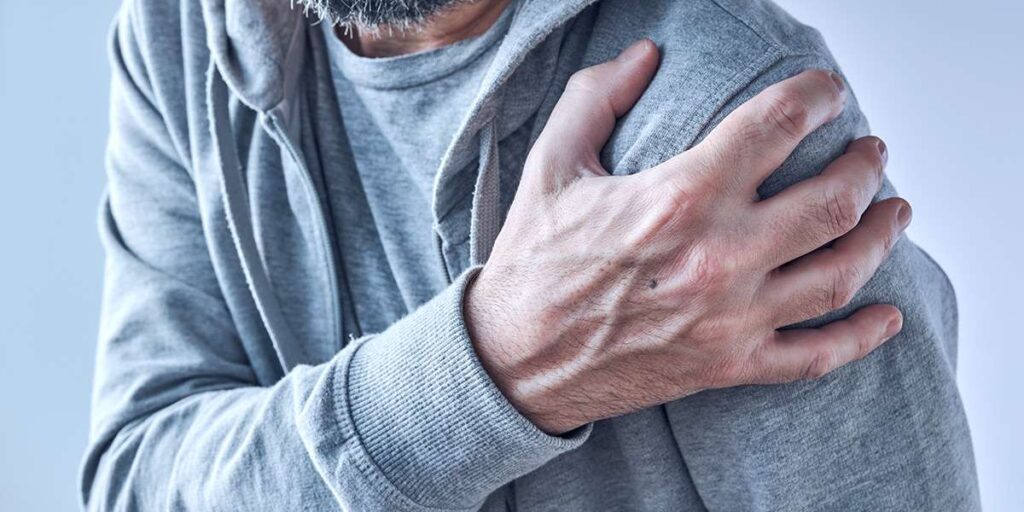
Osteoarthritis (OA) is a common condition that affects the joints, especially in older individuals. This disease is often chronic and mostly targets large joints, such as the knees, ankles, and hips.
Most experts used to describe OA as a mechanical (wear and tear) process that leads to the degeneration of bones and cartilage of the articulations; however, recent findings suggest that inflammation may play a bigger role than initially thought.
On this page, we will briefly discuss the causes of osteoarthritis, its symptoms, and treatment options. After that, we will cover everything there is to know about the role of chiropractic care in this condition.
The exact underlying cause of OA is not yet determined, but scientists believe it’s the accumulation of microtrauma that occurs during a patient’s life.
This degeneration of the joint structure is subclinical (does not present with symptoms) until the damage is extensive, and that’s when patients start to experience pain and a decreased range of motion.
Risk factors for OA include joint malformation, age, previous trauma to the joint, obesity, and poor posture.
The most common joint affected by Osteoarthritis today is the knee and it’s mainly found in people over 45 years of age. OA was found to be more prevalent in females then males.
As explained, osteoarthritis is a chronic condition, which means it can present with several signs and symptoms that vary in severity and frequency from one patient to another.
Nevertheless, here are the classical symptoms of OA:
One specific description of OA’s pain is that it is less intense when the patient wakes up and becomes worse during the day.
The treatment of osteoarthritis is tailored to every patient, depending on their history and physical exam findings. The main goal of treatment would be to use conservative modalities to promote a decrease in inflammation, reduction in pain levels, improving range of motion of the joints, and promoting self management of symptoms.
Here are the possible treatment options for OA:
Because OA is not a full-blown inflammatory condition, physicians avoid the prescription of Non-Steroidal Anti-Inflammatory Drugs (NSAIDs).While different medications are prescribed to slow down the progression of inflammatory responses, today’s research shows there is not one treatment that will stop the progression of OA.
Conservative care consists of teaching our patients all about the disease to see what they can do to control the symptoms or make themselves feel better when flare ups occur. Things such as exercise, weight loss, anti-inflammatories, and modification of daily activities are often discussed at your visit at Back In Motion Group
Research shows that regular physical activity can reduce the severity of OA by strengthening the muscles surrounding the affected joints. This also relieves the stiffness caused by OA.
As mentioned earlier, obesity is a major risk factor for OA; thus, shedding a few pounds can take some pressure off the joints, which in many cases is sufficient to decrease the frequency of flare-ups.
Applying thermotherapy (heat therapy) or cryotherapy (cold therapy) to painful joints reduces inflammation and the release of certain pro-inflammatory compounds that cause pain (e.g., prostaglandins, leukotrienes, cytokines).
Some compounds have proven their efficacy in controlling the symptoms of OA in many patients.
Substances such as green tea, fish oil, ginger, and glucosamine can all tamper down inflammation and the associated symptoms.
Maintaining balance and coordination is crucial to prevent injuries, but it’s often difficult to do because of muscle atrophy and reduced articular range of motion.
For this reason, your Chiropractor will supervise and recommend the practice of certain exercises that specifically target the muscles responsible for the standing position.
The frequency and intensity of these exercises will be determined after careful evaluation of the patient’s strengths and weaknesses.
For instance, a stretching is often the first thing beginners perform, which entails stretching your tight muscles to get some more range of motion in your joints.
Each time you get too comfortable with a certain exercise, your Chiropractor will recommend a group of other workouts that increase the stress placed on your muscles and joints.
Here is a list of some of these exercises:
Another use of chiropractic care is in the phase of post-operative management. When patients undergo surgical procedures to replace faulty joints or defective bones, they will not adapt to their new prosthesis right away.
These individuals need months of chiropractic care to gain neural adaptation and become comfortable with their new device.
Fortunately, and with the right planning and execution, most people get back to their daily routine in a matter of weeks with the aid of physical rehabilitation.
The psychological distress and physical debilitation that accompany limb amputation are extremely overwhelming for people, which is why these individuals require psychological and occupational therapy to ease up their recovery.
This involves planning weekly sessions to train the new amputee on the basics of moving around with their prosthetic limb and how to properly take care of the residual tissue to prevent infections.
Additionally, these individuals are taught about the functions and limitations of their prosthetic limbs, especially if they engage in various physical activities, such as running, swimming, or cycling.
Researchers found that chiropractic care accelerates the recovery of amputees and allows them to get back to their normal lives in a timely manner.
Aside from taking care of the damage and trying to minimize its consequences, chiropractors can also develop preventive plans.
After visiting Back In Motion Group, the chiropractor can come up with suggestions about some modifications at home to decrease the risk of injury.
For instance, your therapist may recommend the installation of safety devices (e.g., grab bars, walk-in bathtubs), the removal of certain objects, or even the redecoration of the house.
Osteoarthritis is a chronic condition that causes a lot of suffering to patients, but it can be managed with the right therapeutic approach.
We hope that this page managed to highlight the ins and outs of Osteoarthritis and how Chiropractic care can help with its management.
If you still have any queries, feel free to call/text us or use the contact us page!
Welcome to Back in Motion Group, your families trusted company when it comes to Health Care. We offer Chiropractic, Physical Therapy, Occupational Therapy, and Speech Pathologists from the comfort of your home in!