Shin splints can cause tenderness, soreness, or sharp pain along the front or inner part of the lower leg. The condition is common among runners, dancers, and individuals who stand or walk for long hours. In a busy place like Brooklyn, where daily life often involves commuting, working on hard surfaces, or keeping an active lifestyle, these symptoms can quickly interfere with your routine.
At Back in Motion, our Shin Splints Treatment in Brooklyn NY focuses on addressing the root cause of your pain. Using chiropractic care, physical therapy, and other advanced rehabilitation methods, we help reduce inflammation, restore balance, and strengthen the affected muscles for lasting recovery.

Shin splints, or medial tibial stress syndrome, occur when muscles, tendons, and bone tissue around your shinbone (tibia) become inflamed. This inflammation is typically caused by repetitive stress or sudden increases in activity. According to the Mayo Clinic, the condition often affects runners, dancers, and military recruits due to frequent impact on hard surfaces.
In Brooklyn NY, shin splints are common among those who spend long hours walking, standing, or exercising on concrete. Delivery personnel, athletes training in Prospect Park, and even healthcare workers who stand all day are at risk. Over time, stress on the tibia can cause pain, inflammation, and even small bone microtears.
Common Causes of Shin Splints
A rapid increase in training intensity or duration
Running or walking on hard, uneven surfaces
Worn-out or unsupportive shoes
Flat feet or high arches
Tight calf muscles or weak ankle stabilizers
If left untreated, shin splints may develop into stress fractures or chronic pain. That’s why early diagnosis and guided rehabilitation are essential.
Shin splints usually begin with a mild discomfort and can progress into more intense pain if ignored. Recognizing the signs early can help prevent complications.
Typical Symptoms Include:
Pain along the inner edge of the shinbone during or after activity
Tenderness or soreness when pressing on the lower leg
Mild swelling or warmth in the shin area
Tightness or fatigue in the calf muscles
Pain that eases with rest but returns with activity
If you experience any of these symptoms, it’s important to seek Shin Splints Treatment in Brooklyn NY promptly. Timely intervention prevents long-term damage and promotes faster recovery.
Living in Brooklyn means staying on your feet for much of the day. Whether you are walking to the subway, running errands, or standing for work, shin pain can make even simple activities challenging.
For professionals such as teachers, nurses, construction workers, and delivery drivers, shin splints can interfere with job performance and productivity. The constant strain may lead to fatigue, loss of focus, and reduced mobility. Athletes training at local gyms or running tracks like Marine Park or Brooklyn Bridge Park may find their workouts interrupted by persistent lower-leg discomfort.
Beyond the physical toll, chronic shin pain can also affect mental health. Constant discomfort can lead to frustration, anxiety about reinjury, and reluctance to exercise. The good news is that with professional Shin Splints Treatment in Brooklyn NY, you can return to an active lifestyle safely and confidently.
Back in Motion uses a comprehensive, evidence-based approach to treat shin splints. Each treatment plan is customized based on the cause, severity, and individual goals of the patient.
Chiropractic adjustments help correct alignment issues that may cause uneven stress on the legs. By improving posture and body mechanics, chiropractors reduce strain on the shinbone and surrounding muscles.
Physical therapy is one of the most effective ways to treat and prevent shin splints. It includes guided stretching, strengthening, and movement retraining to support lower-leg stability. The Cleveland Clinic emphasizes that gradual load progression and flexibility training are key components of recovery.
For individuals whose work involves long periods of standing or walking, occupational therapy helps modify movements and ergonomics. Therapists teach safe body mechanics to minimize stress on the legs during daily activities.
Spinal decompression relieves tension along the spine and improves posture, which indirectly helps balance lower-body movement. When posture is corrected, the legs can absorb impact more evenly.
Shockwave therapy stimulates blood flow and tissue repair, making it useful for chronic musculoskeletal pain. The Cleveland Clinic reports that shockwave therapy is often used in orthopedic rehabilitation to promote healing in damaged tissues and reduce pain.
For athletes and active individuals, our sports rehab programs restore flexibility, coordination, and strength while minimizing the risk of reinjury.
Cupping therapy helps release tension in the muscles and fascia. It promotes better circulation and speeds up the recovery of sore or tight lower-leg tissues.
Hands-on manipulation and soft tissue work help reduce tension, restore range of motion, and support natural muscle balance.
While research is limited specifically for shin splints, compression therapy like Normatec is used in sports recovery to improve circulation and reduce swelling. Many athletes find it beneficial for post-exercise recovery.
If shin pain is related to a workplace or vehicle injury, Back in Motion provides documentation, structured rehabilitation, and insurance assistance to help you recover efficiently.
Every Shin Splints Treatment in Brooklyn NY plan is individually designed to meet your unique needs. Our combination of manual therapy, exercise, and modern technology ensures lasting results.
At Back in Motion, we bring professional care directly to your home. This approach allows for comfort, consistency, and convenience without sacrificing quality.
We begin with a full assessment of your symptoms, movement patterns, and lifestyle habits. Our licensed chiropractors, physical therapists, and occupational therapists collaborate to design a comprehensive plan that targets both pain relief and long-term prevention.
We integrate proven treatments like shockwave therapy, myofascial release, and strengthening exercises to support recovery. By focusing on functional movement and patient education, we help you build resilience and confidence in your body’s ability to move pain-free.
Our in-home care eliminates travel stress and ensures one-on-one attention. You get the focused support you need in an environment that encourages healing and consistency.
Here’s why patients from Brooklyn, Queens, Staten Island, Hoboken, and Jersey City choose Back in Motion for their Shin Splints Treatment in Brooklyn NY:
Personalized, one-on-one in-home therapy sessions
Licensed, experienced therapists committed to evidence-based care
Flexible scheduling, available Monday to Saturday from 9am to 8pm
Convenient location near major Brooklyn neighborhoods
Proven track record in rehabilitation and pain management
We prioritize comfort, accessibility, and lasting outcomes to help you feel your best again.
Shin splints occur when repetitive stress irritates the muscles, tendons, and bone tissue in the lower legs. Common causes include sudden increases in training, poor footwear, or walking on hard surfaces.
With consistent therapy and guided rest, most people recover within two to four weeks. Severe cases may take six to eight weeks, depending on the extent of inflammation.
Rest, ice, and gentle stretching can help temporarily, but they rarely fix the underlying cause. Professional treatment is essential to restore muscle balance and prevent recurrence.
Yes, many insurance plans cover chiropractic, physical therapy, and rehabilitation for shin splints. Back in Motion can assist in verifying your benefits and managing documentation.
Yes. Shockwave therapy is widely used in physical rehabilitation for soft-tissue injuries. The Cleveland Clinic confirms its safety and efficacy for musculoskeletal conditions.
You can book directly through our Book Appointment page or reach us via our Contact Page. We also accept same-day and weekend appointments based on availability.
Don’t let shin pain limit your daily life. Shin Splints Treatment in Brooklyn NY at Back in Motion offers a personalized, evidence-based path to recovery. Whether you’re an athlete, worker, or anyone struggling with leg pain, our in-home care provides professional treatment without the stress of travel.
Take the first step toward better movement and comfort. Contact us today to schedule your consultation in Brooklyn NY and experience how Back in Motion can help you get back on your feet.
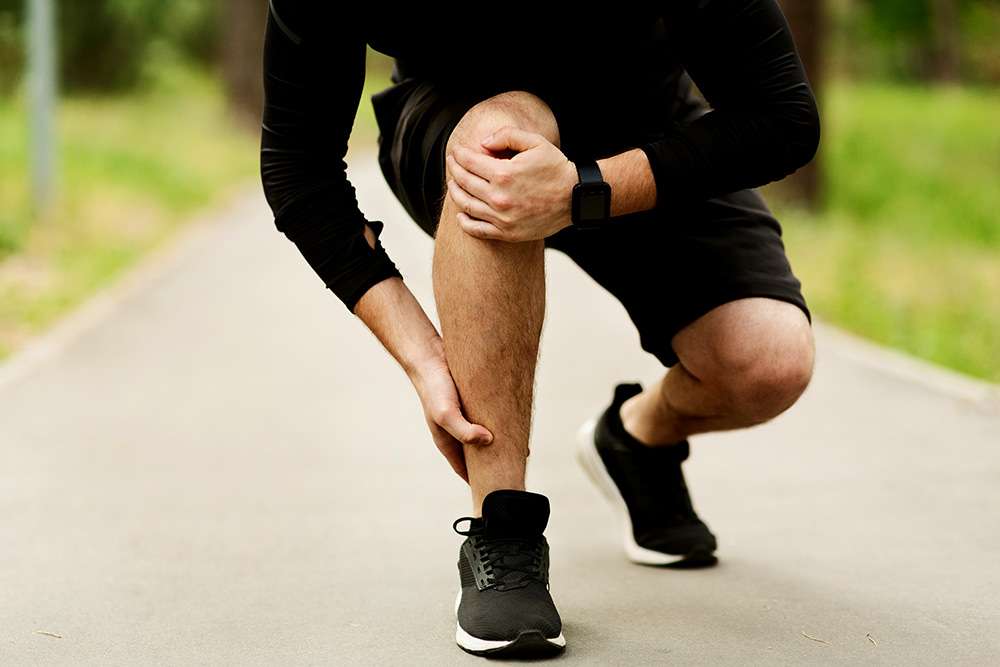
Shin splints is a common condition that causes pain in the front of the leg. Physicians refer to this condition as medial tibial stress syndrome (MTSS).
This syndrome is especially prevalent in people who frequently engage in strenuous exercise. Researchers also found that sports with a stop-start pattern increase the risk of shin splints. Examples include soccer, basketball, tennis, and racquetball.
Due to the repetitive stress on the muscles, bones, and joints, micro-injuries will accumulate, leading to shin splints. Unfortunately, the pain can be immobilizing.
On this page, we will discuss the causes, risk factors, and symptoms of shin splints. After that, we will detail the research around chiropractic care and shin splints.
Shin splints are the result of repetitive micro-injuries to the muscles, shinbone, and connective tissues in the area.
Over time, this leads to inflammation and swelling of the muscles, which places extra pressure on the shinbone. In some cases, stress fractures may also be a contributing factor. These fractures begin as small cracks and can worsen over time. The good news is that resting will dampen the inflammation and accelerate your healing journey.
As previously mentioned, several factors can contribute to shin splints, including:
Research demonstrated that shin splints are more likely to occur in people whose leg muscles and tendons are strained. Certain professions that involve high levels of physical activity, such as athletes, military personnel, and dancers, are more prone to developing shin splints due to the repetitive and high-impact nature of their work.
When you have shin splints, you may experience the following symptoms:
In most cases, these symptoms can be managed with home remedies. However, some individuals may experience more severe symptoms, including:
These signs may indicate a more serious complication. Therefore, it is important to seek the help of a chiropractor as soon as possible.
Diagnosing shin splints typically involves taking your medical history and conducting a physical examination. Your practitioner will ask you about the types of physical activity you engage in, as well as their intensity and frequency.
To confirm the diagnosis and rule out other conditions (e.g., fractures, compartment syndrome), your practitioner may also order imaging tests such as X-rays.
The need to visit your chiropractor depends on the severity of your pain and whether you can walk.
Here are some scenarios that make you want to see your chiropractor:
If left untreated, shin splints can lead to a variety of complications.
One possible complication is chronic pain, which can limit your ability to perform daily activities and participate in physical activity. Another possible complication is muscle imbalance, which can put you at risk of future injuries. Shin splints can also lead to stress fractures, which are small breaks in the bone that occur due to repetitive stress.
In some cases, chronic shin splints can precipitate to compartment syndrome. This is a serious condition that occurs when increased pressure inside the muscle compartment deprives your tissues from blood circulation.
Chiropractic care may be beneficial for individuals with shin splints. Typically, the treatment revolves around manual adjustments, soft tissue therapy, and rehabilitation exercises to address any structural imbalances or biomechanical dysfunctions that may be contributing to your condition.
There are studies that show positive results from combining chiropractic care with other treatment methods, such as stretching, strengthening, and physical therapy. For instance, a 2009 study found that after undergoing chiropractic care, patients with shin splints experienced significant improvement in pain, function, and quality of life.
Chiropractic care can also help alleviate specific symptoms associated with shin splints.
Pain – Chiropractors use manual adjustments and soft tissue therapy to relieve pain. A study published in the Journal of the Canadian Chiropractic Association found that after receiving chiropractic care, patients with shin splints experienced significant improvement in pain.
Swelling – Chiropractors can help with swelling in the shins, according to numerous research sources. A study concluded that a combination of chiropractic care and a home exercise program showed clinical improvement, especially swelling.
Muscle weakness – A study showed that chiropractic care can significantly improve the function of patients with shin splints. This is extremely important since muscle weakness can be a source of disability in patients.
It’s important to note that every individual’s case is unique and the best course of treatment may vary. Consult with your chiropractor to determine how to specifically address your symptoms.
Shin splints, or medial tibial stress syndrome (MTSS), is a very prevalent condition that leads to pain and immobility. Educating yourself about this condition and how alternative therapies can relieve your symptoms will significantly improve your outcome.
Hopefully, this article managed to explain the role of chiropractic care in the management of shin splints.
If you still have questions about shin splints or how chiropractic care may help you, please feel free to reach out to us via the contact us page!
Welcome to Back in Motion Group, your families trusted company when it comes to Health Care. We offer Chiropractic, Physical Therapy, Occupational Therapy, and Speech Pathologists from the comfort of your home in!